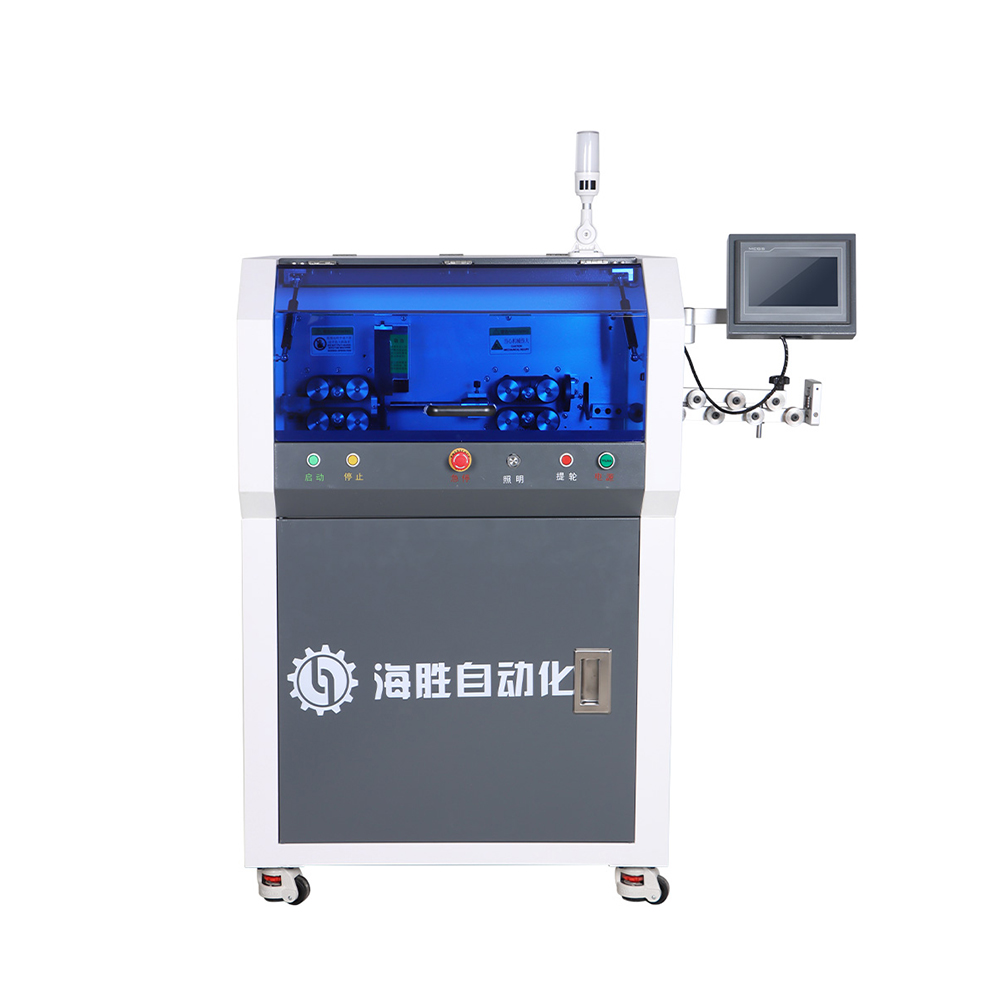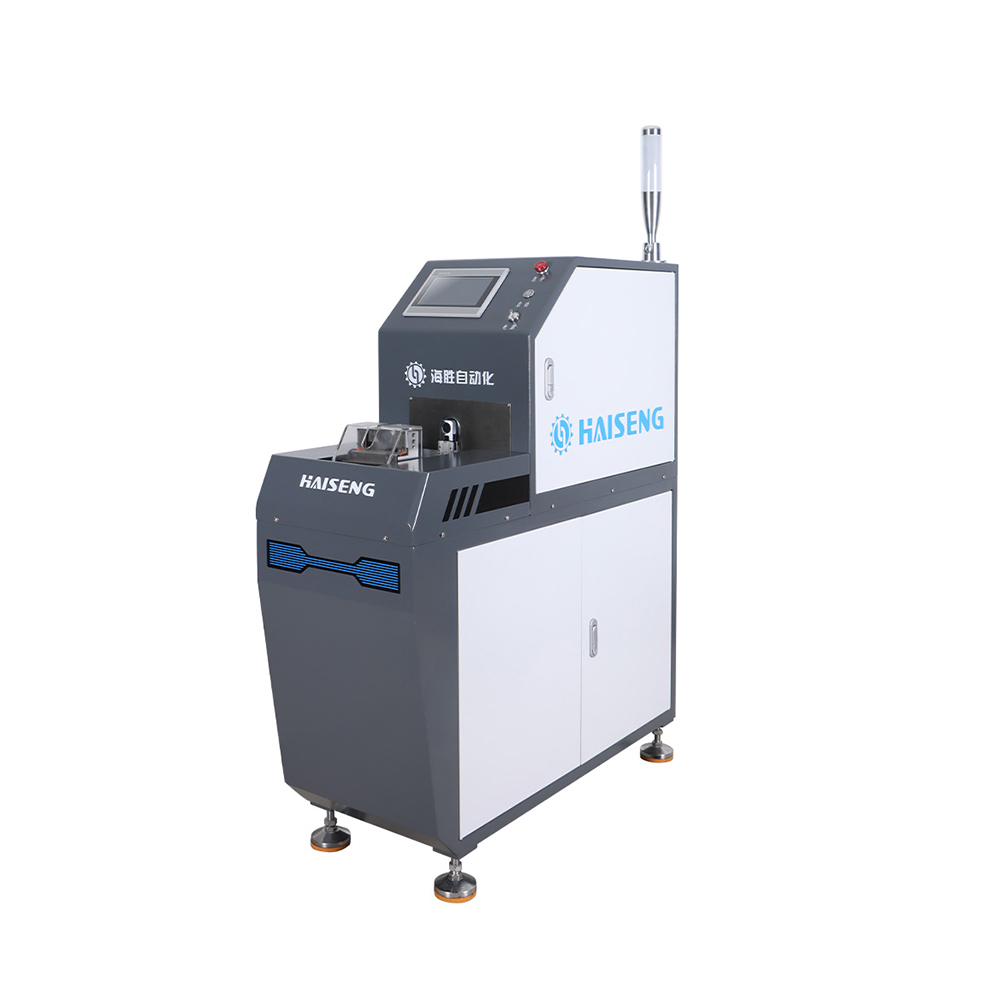
Solid‑state metallurgical bonding solution for dissimilar aluminum‑to‑copper joints.Ultrasonic metal welding is a core manufacturing technology supporting aluminum‑for‑copper substitution in new‑energy vehicle wire harnesses. Unlike fusion processes such as laser or resistance welding, it is a solid‑state welding method: metals do not melt. High‑frequency shear vibration creates atomic‑level metallurgical bonding between mating surfaces.

Ultrasonic generator: Converts mains AC into high‑frequency AC (20 kHz / 35 kHz / 40 kHz). Built‑in PLL phase‑locking tracks resonance to stabilize output against load variation.
Transducer: Uses the inverse piezoelectric effect to turn high‑frequency electrical energy into micro‑scale mechanical vibration.
Booster: Amplifies vibration amplitude without adding energy, matching process requirements.
Welding horn, anvil & pneumatic pressure: Clamps multi‑strand wires. The horn delivers horizontal shear vibration while the anvil holds the lower wire fixed.
1.How does vibrational kinetic energy convert into heat?

Mechanical energy includes kinetic and potential energy. The welding horn’s high-speed reciprocating shearing motion generates kinetic energy. With two metal layers tightly compressed, microscopic surface irregularities continuously slide, collide and deform plastically. Vibrational kinetic energy dissipates via interfacial friction and plastic deformation and converts into heat. Heat concentrates only within a micron-thin weld layer, leaving the base metal at low overall temperature.
2.How does the generator produce high-frequency electrical energy?

The generator transforms incoming mains power instead of creating electricity. Step1: Rectification: Convert 50/60Hz mains AC to DC. Step2: Inversion: IGBT/MOS power transistors chop DC into high-frequency AC (20kHz/35kHz/40kHz). A built-in PLL tracks vibrator load changes in real time and tunes output frequency dynamically to maintain system resonance, delivering stable high-frequency power to the transducer. In short: Mains power → Rectify to DC → Invert to high-frequency AC.
3.What is the interface temperature during welding?

Ultrasonic metal welding is solid-state; base metals do not melt. Aluminum‑to‑aluminum welding: Peak interface temp ~200~350℃ (Al melting point: 660℃) Copper‑to‑copper welding: Peak interface temp ~300~450℃ (Cu melting point: 1083℃) Aluminum‑copper dissimilar harness welding: Peak interface temp ~250~400℃
Low‑temperature solid‑state joining; no melt, spatter or pores; stable contact resistance for Al‑Cu dissimilar joints.
No solder, filler wire or flux; lower consumable cost, eco‑friendly.
Fast cycle (hundreds of milliseconds per spot), compatible with automated harness production lines.
Good electrical conductivity and reliable tensile performance, meeting strict high‑/low‑voltage automotive harness specifications.
EV wire harnesses, charging‑gun cables, copper‑aluminum terminal connections, lithium‑ion battery tab welding. It enables lightweighting and cost reduction via aluminum‑for‑copper material substitution.
We are an equipment supplier of ultrasonic wire‑harness & terminal welding machines, offering custom‑built equipment and complete process solutions. Contact us for machine information, sample testing and technical proposals.


Hot Tags
Recently viewed products

Successful submission
We will reply to you within 2 hours.