


Low‑voltage signal harnesses for intelligent NEVs confront four major challenges in fine‑wire process, signal transmission, working‑condition durability and flexible production, which bring hidden risks of signal anomaly and after‑service complaints.
Ultra‑fine copper wires such as 0.5mm² are prone to strand breakage during stripping; conventional crimping & tin soldering frequently produce cold solder joints and loose strands, which trigger unstable signal acquisition.
Massive signal circuits are densely arranged inside vehicles; defective stripping or crimping may cause shielding damage and electromagnetic interference, resulting in signal distortion for sensors and communication modules.
Under long‑term vehicle vibration and cyclic temperature change ranging from ‑40℃ to +105℃, harness connection points may suffer rising contact resistance and joint failure, threatening the reliability of BMS and body electronic functions.
Low‑voltage harness covers numerous wire specifications with frequent model changeover. Manual‑dependent scattered procedures lead to inconsistent product quality and difficulty adapting to multi‑variant & medium‑large‑batch automotive production.


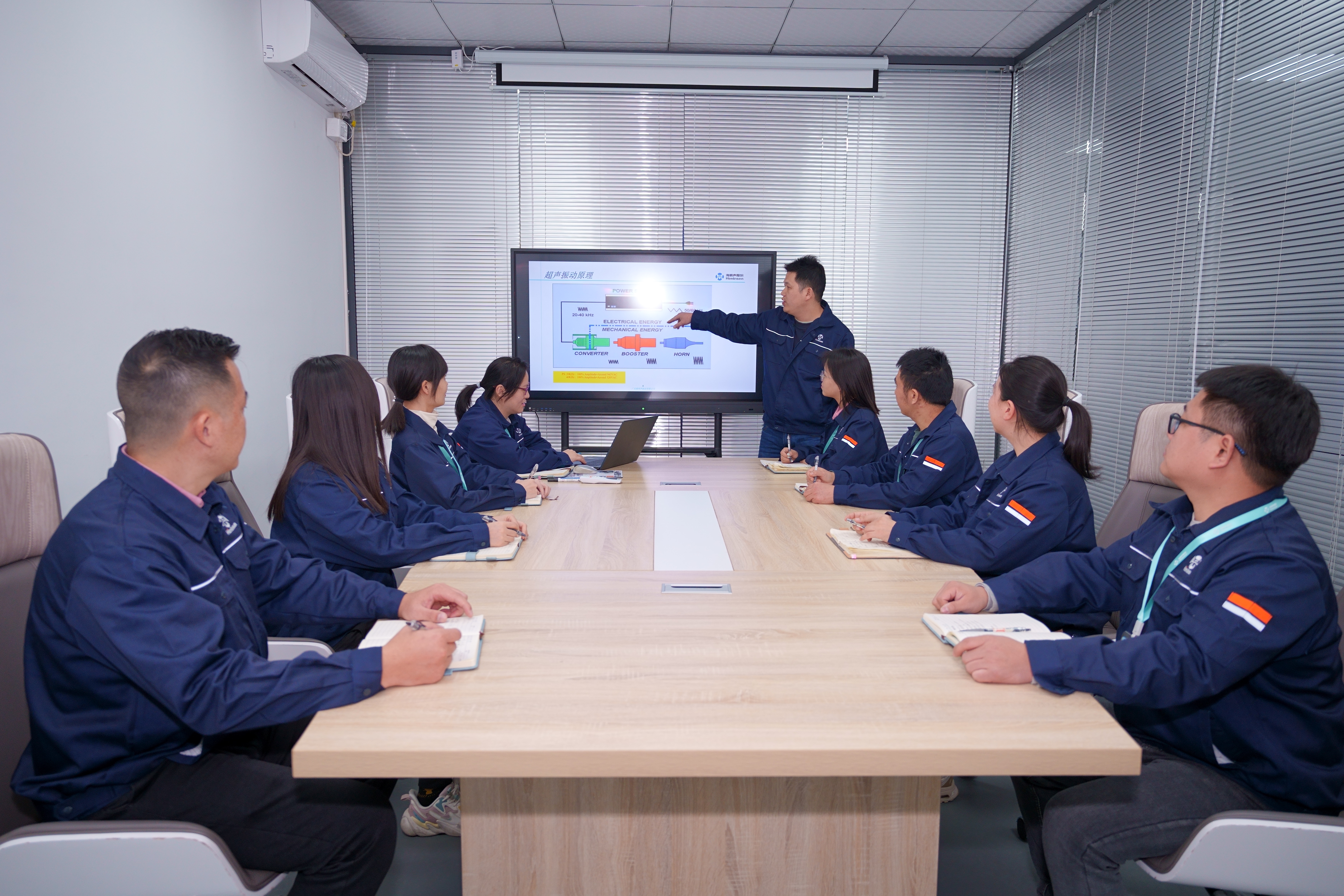
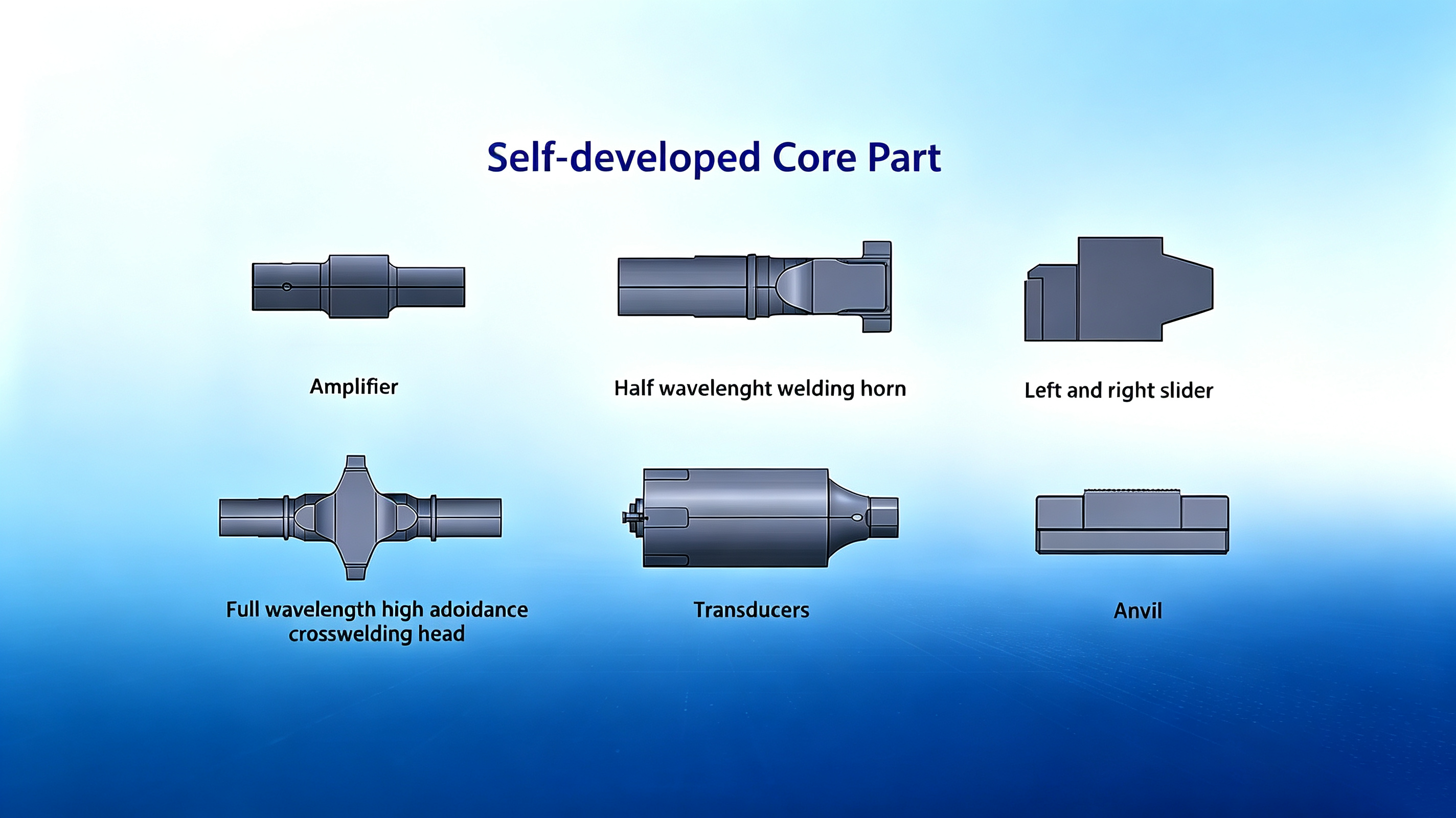
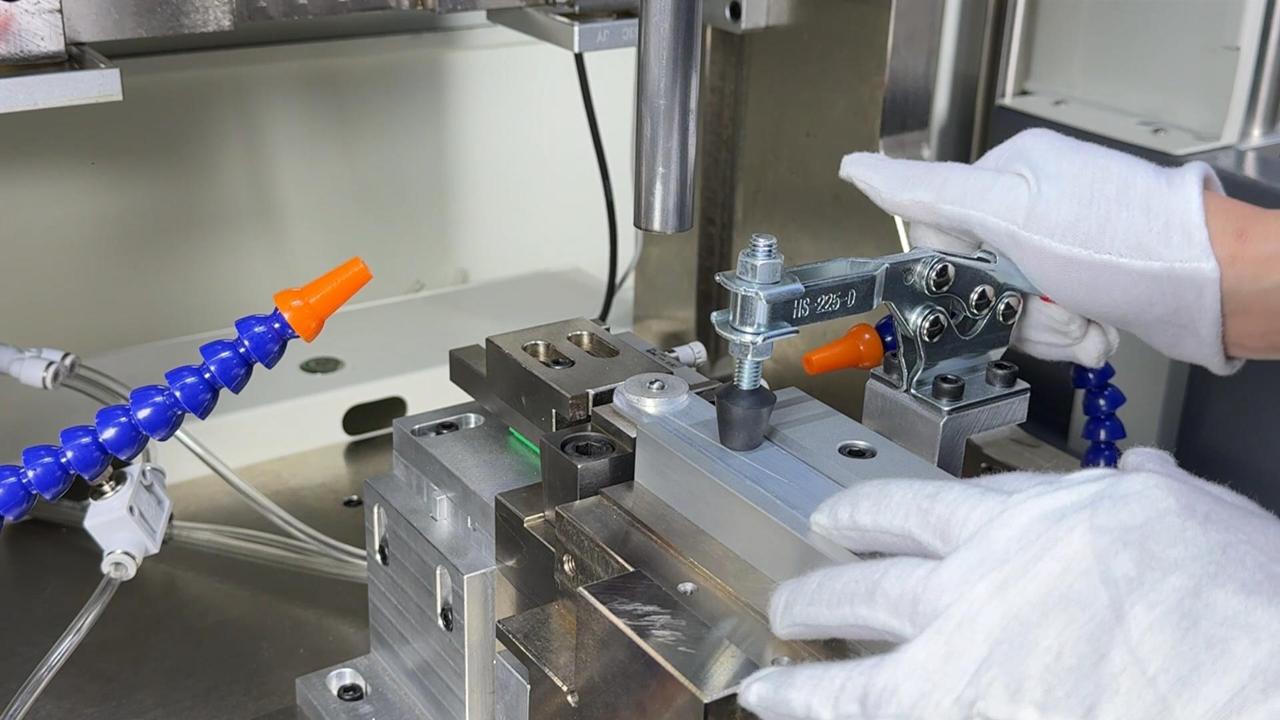
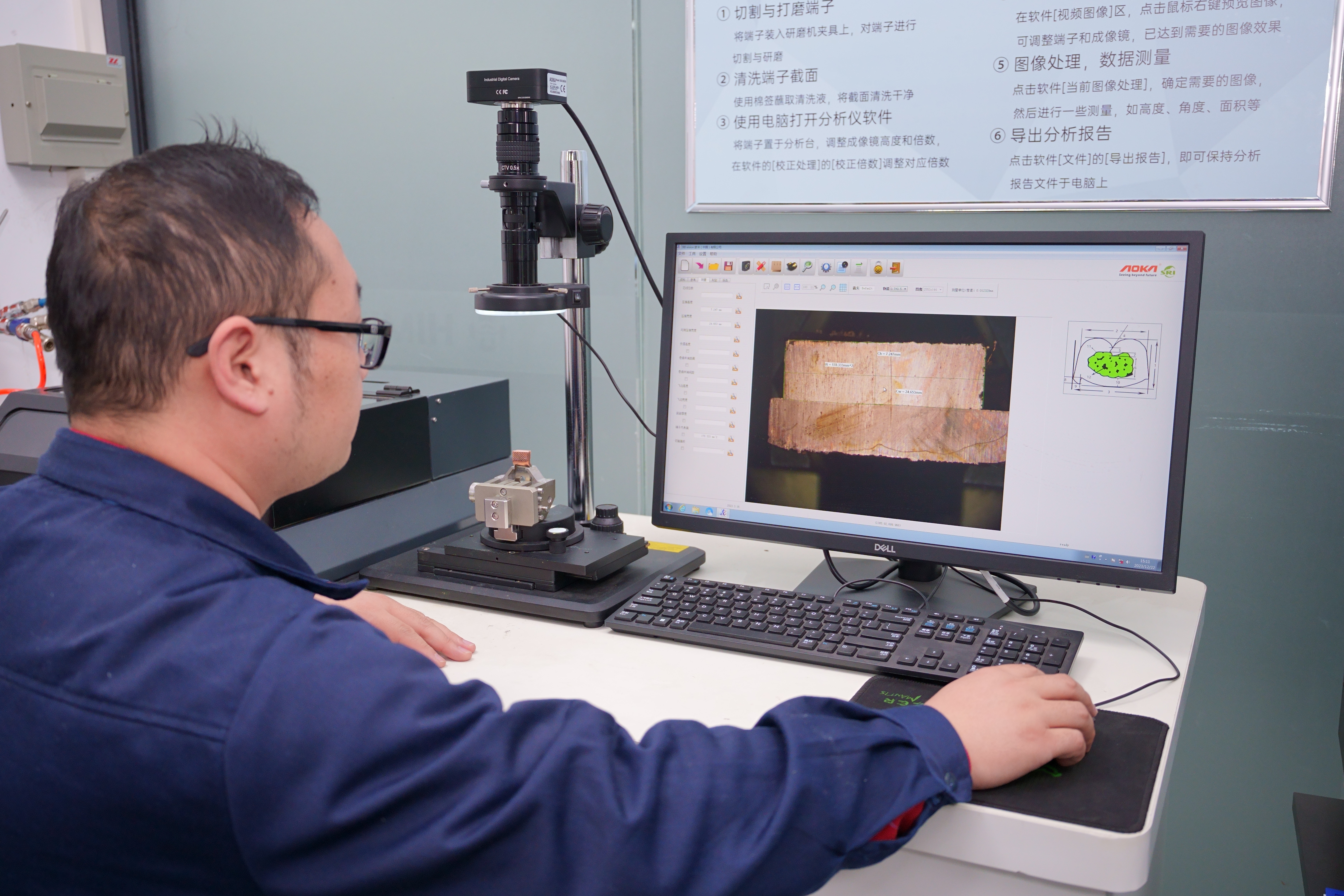

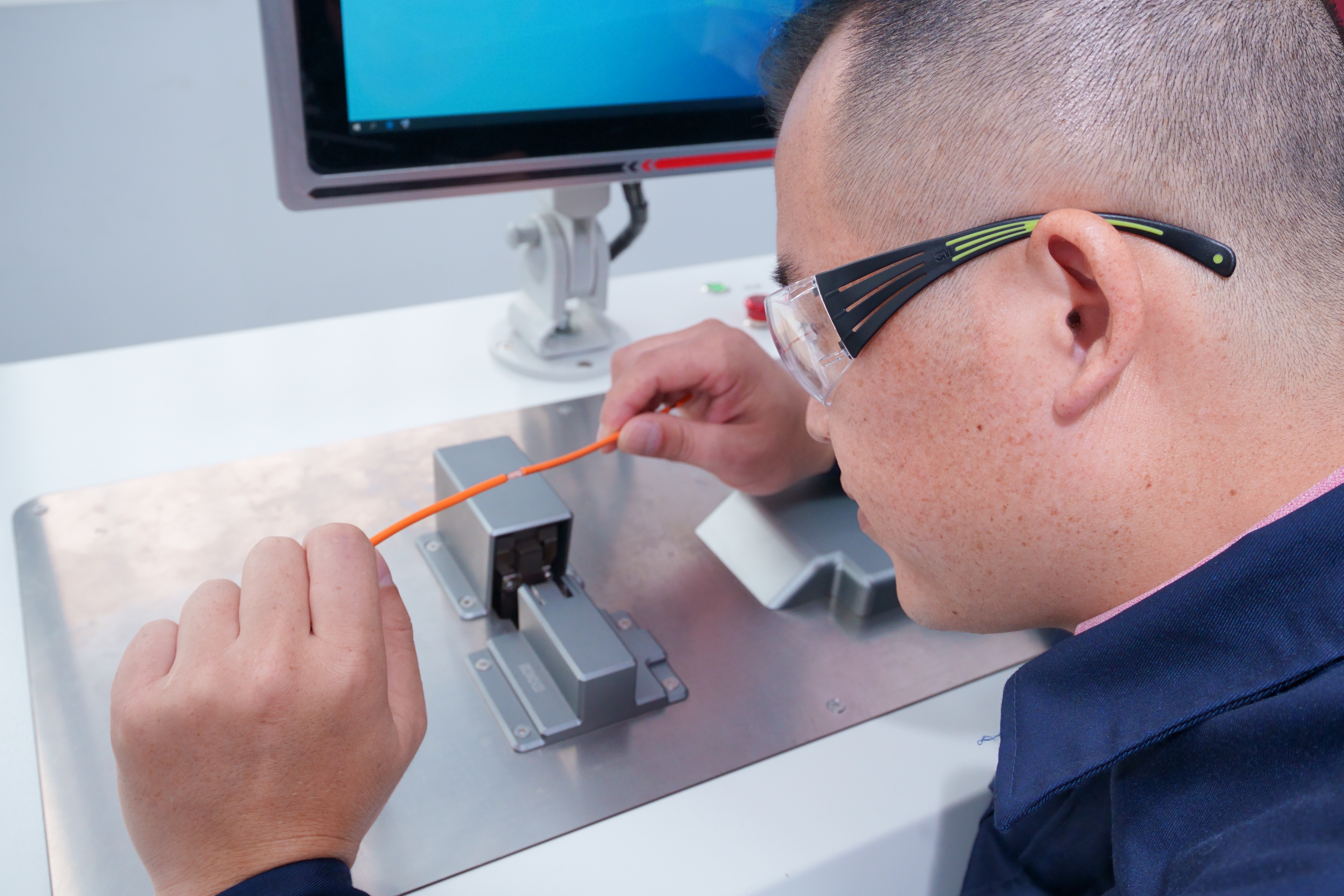
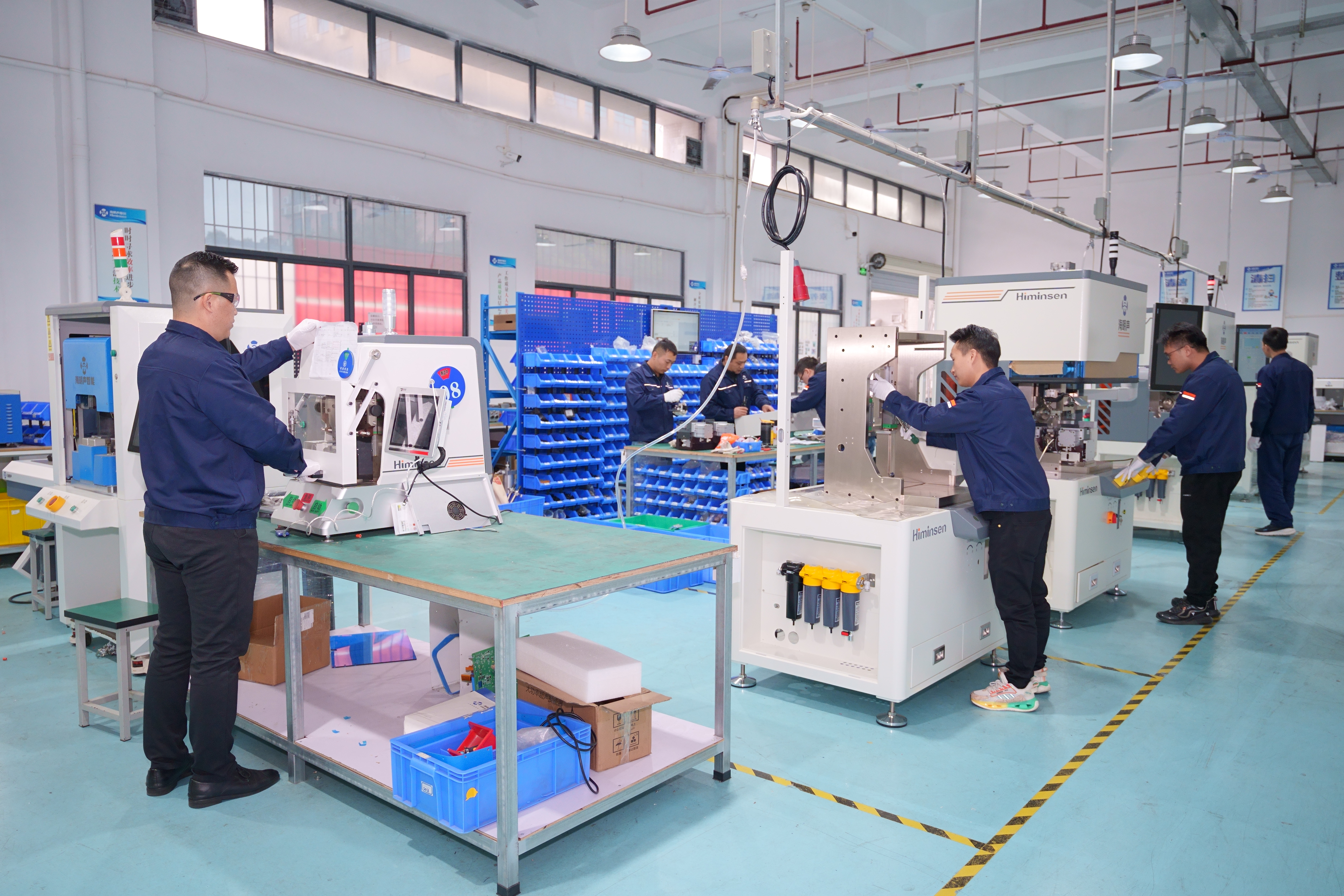

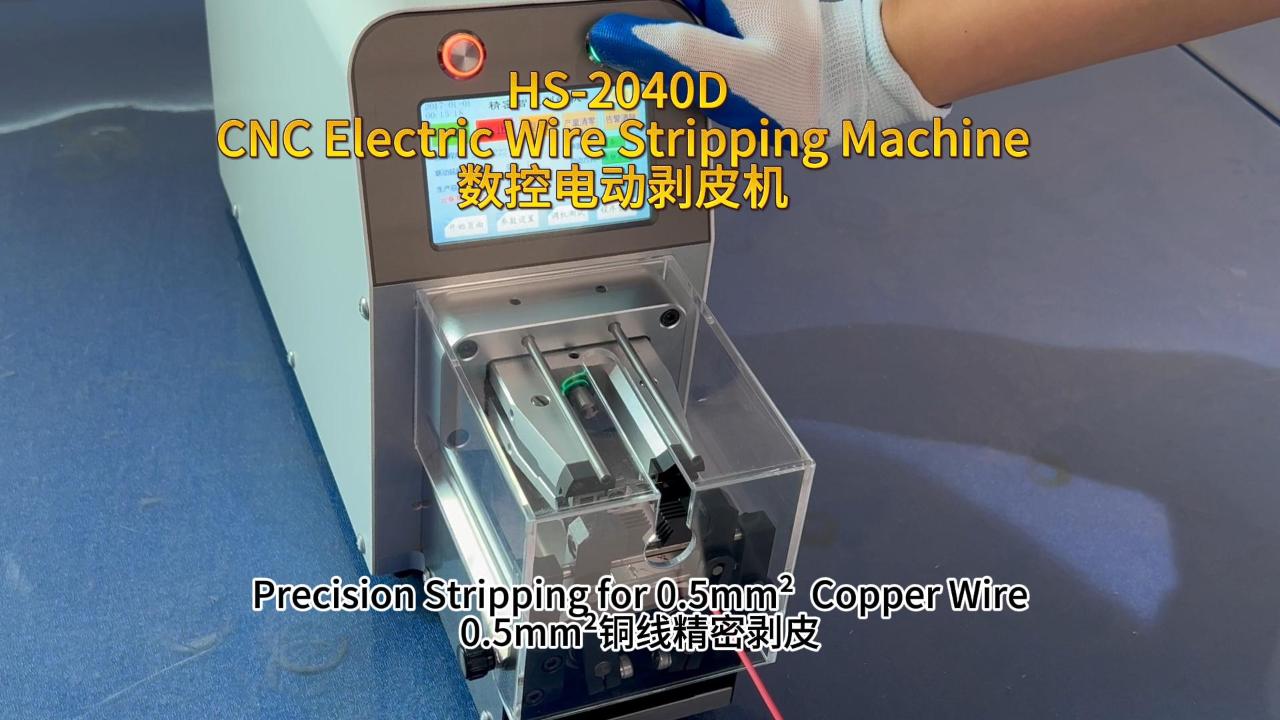
Relying on more than 20‑year technical accumulation in industrial ultrasonic and precision wire‑processing technology, Himinsen builds a digitized & intelligent integrated innovation platform. Our interdisciplinary R&D team covers acoustics, precision machinery, servo electronic control, vision inspection and industrial software, realizing independent control over core algorithms, hardware and complete sets of low‑voltage‑harness solutions.



Harness Engineering Director

Manufacturing Technology Center Manager

Director of Charging Gun R&D

New Energy Technology Director

Senior R&D Engineer

Quality Director, Medical Device Manufacturer

Successful submission
We will reply to you within 2 hours.